
Unveiling myths about luck and skill in gambling
Online Casino Echtgeld 2026: Beliebte Slots und Live-Dealer-Spiele für echte Gewinne
August 31, 2026Why luck plays a crucial role in casino success
August 31, 2026
The Nature of Luck in Gambling
Luck is often perceived as the dominating force in gambling, a concept deeply ingrained in the culture surrounding games of chance. Many believe that outcomes in gambling, particularly in games like slot machines or roulette, are entirely random and dictated by fate. This perspective stems from the unpredictability of individual spins or card draws, giving rise to the notion that players are at the mercy of luck alone. While it’s true that luck plays a significant role, it is essential to explore the nuances of how luck interacts with skill in various gaming scenarios, especially when considering platforms like 1win that offer a mix of both elements.
Moreover, the variability of luck can lead to short-term wins or losses that may distort a player’s understanding of their gambling experiences. For instance, a player may have a series of fortunate spins, leading to a false sense of skill or mastery over the game. This phenomenon can encourage players to continue gambling under the illusion that they are in control, whereas the outcome of each game remains largely influenced by luck. In essence, while luck is undeniably a factor, it is intricately tied to the skill and strategies employed by players over time.
Finally, it’s important to identify different types of games where luck plays differing roles. In games like poker, for example, luck may influence the cards received initially, but the player’s skill in reading opponents, strategizing bets, and managing their bankroll often determines the long-term success in the game. Therefore, it is misleading to regard gambling as a strictly luck-based activity; luck is only one piece of a much larger puzzle that includes skill, strategy, and psychological elements.
Understanding Skill in Gambling
Skill is an often underappreciated element in many forms of gambling, particularly in strategy-based games like poker or blackjack. In these games, players can significantly influence outcomes through their decisions and techniques, which stand in stark contrast to the luck-based outcomes prevalent in games of chance. A skilled player in poker, for instance, possesses the ability to read their opponents, calculate odds, and implement effective strategies, making decisions that can lead to greater success over time.
Furthermore, skill can also refer to the knowledge players possess about the game’s rules, probabilities, and strategies. For example, understanding the odds in blackjack can help a player make informed decisions about when to hit, stand, or double down. By mastering the fundamentals and applying strategic thinking, players can tilt the odds slightly in their favor. This ongoing education in strategy not only enhances the gambling experience but also fosters a sense of control and empowerment among players.
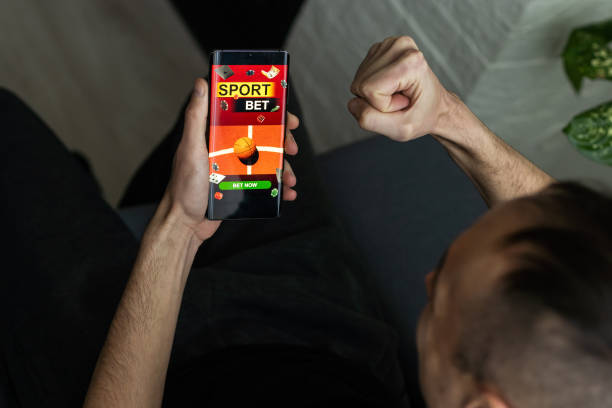
However, it is essential to recognize that skill alone does not guarantee success; it must be complemented by a recognition of how luck influences outcomes. Even the most skilled player can face a string of bad luck, losing despite their best efforts. This duality of skill and luck creates a dynamic gambling landscape where both elements must be understood and respected for players to navigate successfully. Thus, while skill is crucial, acknowledging the role of luck leads to a more balanced approach to gambling.
The Psychological Aspects of Gambling
The psychology of gambling plays a significant role in how players perceive luck and skill, influencing their decisions and behaviors at the gaming table. Cognitive biases, such as the illusion of control, can lead players to overestimate their skill and underestimate the impact of luck. For example, a player might believe that changing their betting strategy will lead to a winning streak, ignoring the random nature of the game. This psychological phenomenon can create a cycle of gambling where players chase losses, driven by the hope that their luck will improve.
Moreover, emotions such as excitement, fear, and anxiety can further complicate decision-making during gambling. The thrill of winning can cloud judgment, leading players to make impulsive bets that may not align with sound strategies. Conversely, the despair of losing can result in chasing losses or abandoning strategic play in favor of desperate gambits. Understanding these psychological factors can empower players to make more rational decisions, fostering a healthier approach to gambling.
To navigate the complexities of gambling psychology, players can benefit from developing a mindful approach. This involves recognizing one’s emotions, understanding personal limits, and maintaining a balanced perspective on skill and luck. By acknowledging the interplay of these forces, players can better manage their expectations and enhance their overall experience. This insight helps in cultivating a responsible gambling mindset where enjoyment and entertainment take precedence over the mere pursuit of winning.
The Role of Game Structure and Design
The structure and design of gambling games greatly influence the balance between luck and skill. For instance, games like slots are designed with a high degree of randomness, ensuring that luck dominates the gameplay. In contrast, card games such as poker and blackjack incorporate elements that allow skillful players to impact their chances of winning. The varying structures of these games highlight the importance of recognizing how game mechanics can amplify or diminish the role of luck and skill.

Additionally, the payout structures and odds associated with different games further illustrate this contrast. Games with lower house edges, such as blackjack or video poker, offer skilled players a better opportunity to leverage their knowledge for long-term success. Conversely, games with a high house edge often leave little room for skillful play, making luck the predominant factor. Understanding these distinctions is essential for players who wish to maximize their enjoyment and potential profitability in gambling.
Moreover, advancements in online gaming technology and the introduction of hybrid games, which blend elements of skill and luck, are changing the landscape of gambling. These innovations create opportunities for a broader range of experiences that cater to various player preferences. As players explore different types of games, it becomes vital to evaluate how each one aligns with their personal gambling philosophy concerning luck and skill. This awareness helps players engage in games that resonate with their understanding of gambling dynamics.
Your Journey into Gambling Begins Here
As you embark on your gambling journey, it is crucial to understand the intricate relationship between luck and skill. By debunking the myths surrounding these concepts, players can approach gambling with a more informed perspective. This understanding fosters a sense of empowerment, allowing players to make choices that align with their personal preferences and gaming strategies. Remember, while luck may often dictate short-term outcomes, skill and strategy can pave the way for sustainable enjoyment and potential success.
The world of gambling is rich and diverse, offering a range of experiences that cater to enthusiasts of all kinds. Whether you prefer games of pure chance or those that involve strategic planning, recognizing the balance between luck and skill can enhance your overall enjoyment. As you navigate through various games, take the time to familiarize yourself with the mechanics and strategies that each game offers, as this knowledge can serve you well on your path.
In conclusion, informed players who understand the role of luck and skill can make better decisions in their gambling pursuits. Embrace the journey with an open mind, and remember that every game presents a unique opportunity for growth and enjoyment. With a balanced approach to gambling, you can experience the thrill of the game while maintaining a responsible and enjoyable engagement with this captivating form of entertainment.
